Regional Disparities Driving Selection Patterns in Worldwide Sports Events and Racing Fixtures
Jordan Fischer · Jul 7, 2026

Regional Disparities Driving Selection Patterns in Worldwide Sports Events and Racing Fixtures
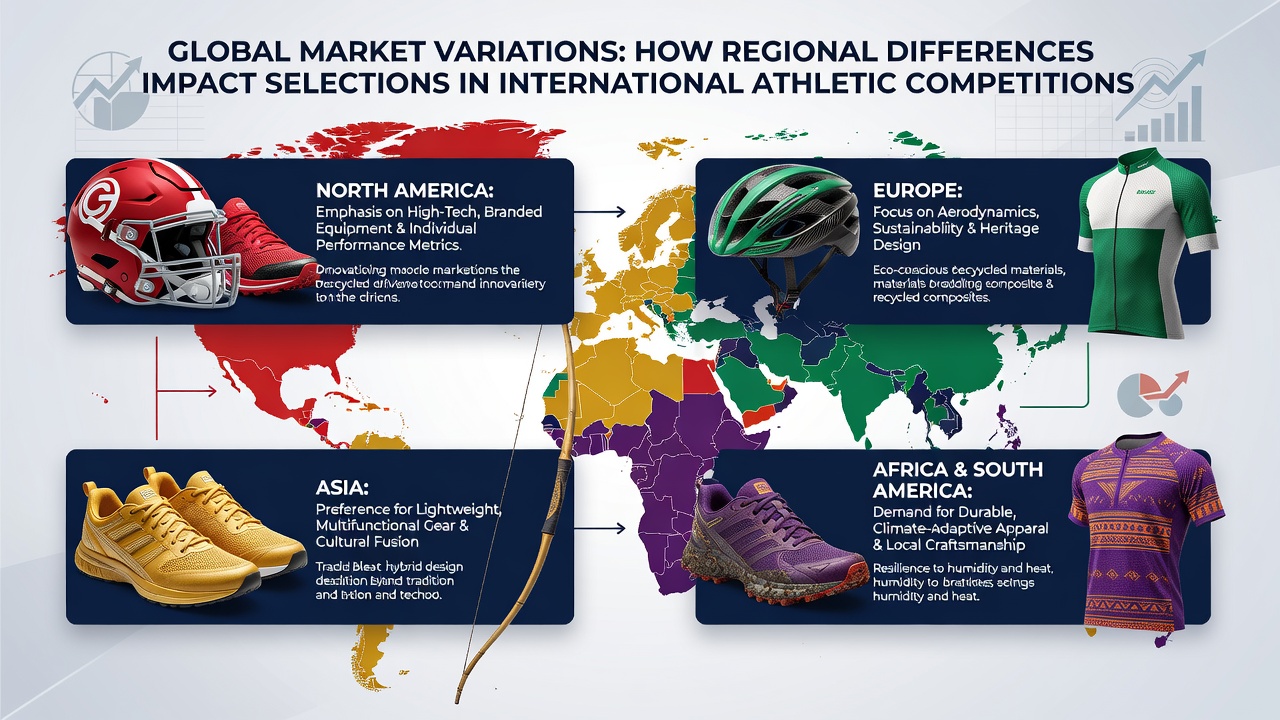
Regional market variations shape how participants approach selections in international athletic competitions and racing fixtures through differences in regulations, cultural preferences, and economic conditions that alter available options across borders. Data from various oversight bodies shows these factors create distinct patterns in how markets operate during events such as the Olympics, World Athletics Championships, and major horse racing meets held in multiple countries.
Regulatory Frameworks Across Continents
European jurisdictions maintain strict licensing requirements that limit certain wager types on international fixtures while North American states have expanded access through recent legislative changes, and observers note these contrasts influence which events attract the most activity during July 2026 schedules. Australian regulators, for instance, enforce point-of-consumption taxes that affect pricing structures differently than those in Asian markets where state-run operators dominate selections for regional racing series feeding into global calendars.
Research from the Victorian Responsible Gambling Foundation indicates that geographic rules around event timing and participant eligibility lead to measurable shifts in market depth, particularly when European soccer leagues intersect with North American basketball tournaments in shared international windows.
Cultural Preferences and Event Popularity
Local traditions determine which athletic disciplines receive priority in selections, with European audiences favoring endurance-based racing formats while Asian markets show stronger engagement with sprint and technical events according to attendance records from multi-nation competitions. These preferences extend to racing fixtures where thoroughbred events in the United Kingdom draw different participant pools than harness racing circuits prevalent in parts of Scandinavia and North America.
Studies compiled by academic institutions reveal that time zone alignments further modify engagement levels, causing participants in distant regions to adjust their focus toward events that fit standard viewing hours rather than attempting to follow every fixture simultaneously.
Economic Conditions and Market Accessibility
Currency fluctuations and payment processing rules create barriers that redirect selections toward events hosted in regions with favorable exchange mechanisms, and data compiled during preparatory phases for 2026 international meets demonstrates how these elements concentrate activity in specific time zones. Participants often prioritize fixtures in jurisdictions where transaction costs remain lower, leading to uneven distribution of interest across global calendars.
One study from Canadian research centers found correlations between regional economic indicators and the volume of selections placed on endurance events versus speed-focused competitions, highlighting how broader financial climates steer choices without altering the underlying athletic outcomes.
Technological Integration and Data Availability
Access to real-time statistics varies by region due to infrastructure differences, which in turn affects how selections form around international athletic competitions where detailed performance metrics prove essential for informed decisions. Markets in technologically advanced areas process larger datasets from racing fixtures compared to regions where connectivity constraints limit immediate updates during live events.
Figures from industry reports show that participants in well-connected zones incorporate advanced analytics into their approaches more frequently, whereas those in emerging markets rely on traditional indicators that have historically guided selections in local racing traditions now integrated into worldwide schedules.
Cross-Border Event Coordination Challenges
International governing bodies must navigate these regional variations when setting fixture dates and eligibility criteria, and records from past multi-nation events illustrate how adjustments for local holidays or regulatory deadlines influence overall participation rates. The 2026 calendar preparations in July highlight ongoing efforts to balance these factors across athletic and racing domains simultaneously.
Evidence from trade associations indicates that successful coordination often involves staggered announcement periods tailored to different regulatory cycles, allowing markets in each region adequate time to adapt selection strategies accordingly.
Conclusion
Regional differences continue to produce distinct selection patterns across international athletic competitions and racing fixtures through the combined effects of regulation, culture, economics, and technology. Observers tracking developments into July 2026 note that these variations maintain consistent influence even as global events expand in scope and frequency. Understanding these dynamics provides clearer context for how markets evolve around shared international schedules without uniform application across all participating regions.