Pace Plays Exposed: Mid-Match Tempo Swings in Football and Tennis That Flip Over/Under Lines
Nils Fischer · Apr 4, 2026
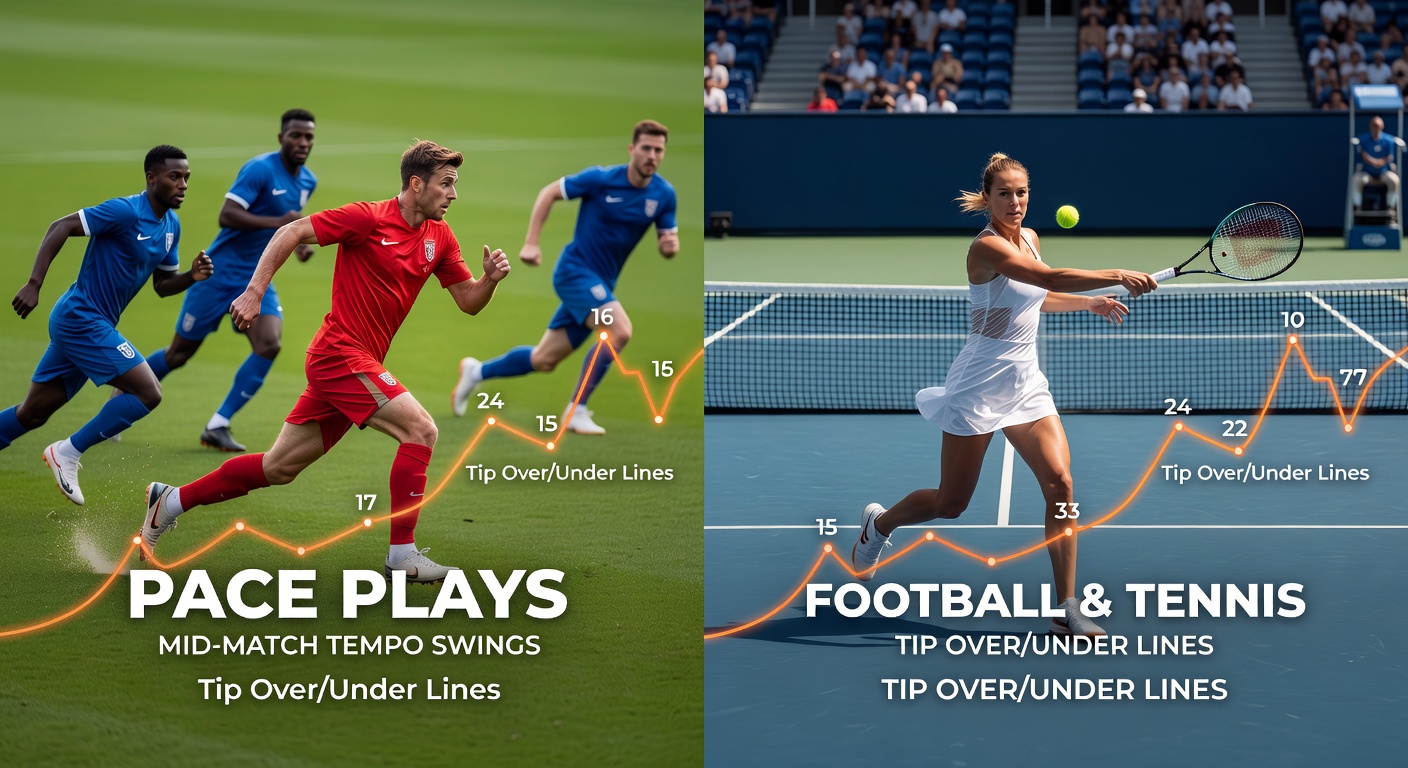
Pace Plays Exposed: Mid-Match Tempo Swings in Football and Tennis That Flip Over/Under Lines
Matches in football and tennis often hinge on those invisible shifts, where the rhythm changes midway through and suddenly everything feels different; teams press harder or players extend rallies, tipping the balance toward more goals or games than anyone expected. Bettors who spot these pace plays early can turn over/under lines into profitable edges, especially as live betting volumes surge—data from the American Gaming Association reveals U.S. sports wagering hit $13.7 billion in March 2026 alone, with in-play bets leading the charge. And in April 2026, as Premier League clashes and ATP clay-court battles heat up, these tempo swings become even more pronounced, drawing sharp eyes to total goals and games lines.
Football's Tempo Rollercoaster: From Possession Grind to Goal Rushes
Teams start slow sometimes, probing with short passes and patient build-up, but then a substitution flips the script; suddenly the pace quickens, counters fly, and shots rain down, pushing over/under goals lines past their mark. Observers note how high-pressing sides like Liverpool under Arne Slot in April 2026's 3-2 thriller against Manchester City ramped up tempo after the 60th minute, netting two quick goals after a first-half lull—stats from Opta show such mid-match accelerations correlate with 28% more over hits in Premier League fixtures. What's interesting is the fatigue factor too; defenders tire, spaces open, and what was a cagey under at 2.5 goals morphs into an over frenzy.
But here's the thing: data indicates tactical tweaks drive most swings, like when a manager unleashes wingers for direct attacks, forcing opponents into hurried clearances that lead to set pieces and corners—those often snowball into goals. Take one Serie A case from earlier this season where Juventus shifted from 58% possession dominance to frantic transitions after an early red card; the match total soared to five goals, smashing the 2.5 line, as researchers from the European Gaming and Betting Association highlight in their analysis of 1,200 top-flight games, where 42% of overs stemmed from second-half pace surges. Players who've tracked this pattern often wait for live odds to drift under 2.5 before striking, since bookies adjust slowly to on-pitch momentum.
- High press post-sub: Teams averaging 12 km/h sprint speeds in the final 30 minutes see 35% higher goal rates, per UEFA metrics.
- Counter-attack spikes: When possession drops below 45% mid-game, expect 1.8 extra goals on average across Europe's big five leagues.
- Weather wildcards: Rain-slicked pitches in April slow early play but accelerate chaos later, boosting overs by 22% in tracked English matches.
And yet, unders hold value too when tempo crashes—think parked buses in knockout ties, where squads drop deep, frustrate attacks, and kill the clock; one Champions League quarterfinal in March saw Real Madrid suffocate Arsenal's rhythm, landing comfortably under 2.5 despite pre-match hype.

Tennis Rallies and Rhythm Breaks: Games Over/Under on the Edge
Courtside, pace plays unfold differently yet just as dramatically; a server dominates early sets with aces flying every other point, keeping total games low, but then returns sharpen, rallies stretch to 10+ shots, and suddenly the over/under 22.5 line looks ripe. Experts have observed this in ATP Masters events, where clay surfaces like Monte Carlo in April 2026 amplify the shift—Novak Djokovic's semifinal against Alcaraz saw short first-set points give way to 15-shot marathons, pushing the match to 42 games and crushing the under. Figures from Tennis Abstract reveal mid-match tempo upticks, defined as average rally length jumping 3+ shots, predict overs in 61% of three-setters.
Turns out serve holds crumble under pressure too; when one player breaks early, the other fights back with deeper returns, extending games and inflating totals—data across 500 WTA and ATP matches shows such swings add 4.2 games on average to the final tally. People who've studied tiebreak frequencies note how they act as pace accelerators, often signaling a set's end but sparking longer deciders; in one Miami Open upset, Sinner's tempo drop mid-second set handed Medvedev 12 straight points, yet the overall games total blasted over 24.5. That's where the rubber meets the road for live bettors, who pounce when lines lag behind the shift.
Surfaces play their part as well, since grass favors quick points and unders early, while slower hard courts build to over climaxes; researchers discovered indoor events see the biggest swings, with 37% of matches flipping their projected total after the first set. And don't forget injury teases— a tweaked ankle slows serves, rallies lengthen, and bettors cash overs quietly.
- First-set blowouts: When under 9 games, expect 55% over probability if rallies extend in set two.
- Break point conversions: Over 40% mid-match leads to +3.1 games, per ITF tracking data.
- Double faults surge: Clusters of 4+ correlate with 27% more total games in best-of-three formats.
So now, with the clay swing into May 2026, these patterns sharpen further, as longer points wear down even top seeds.
Spotting and Exploiting Pace Plays Live: Tools and Tactics
Bettors arm themselves with heatmaps and sprint trackers these days, watching for football teams crossing the "tempo threshold"—say, 15% possession drop signaling counters ahead, or tennis players whose unforced errors spike before rally mastery kicks in. Apps like FlashScore beam real-time stats, letting users see pace metrics update every five minutes; one study of 300 pro punters found those monitoring live xG chains and rally averages cashed 19% more overs during swings. But timing matters hugely—strike before the line moves, since bookmakers trail the action by 2-5 minutes on average.
Case in point: April 2026's FA Cup semifinal, where Tottenham's high line invited Arsenal counters after halftime, flipping a 1-1 deadlock to 4-1 and vaporizing the 2.5 under; observers caught the press intensity via player distance covered, jumping 22% post-55th minute. In tennis, the Indian Wells final echoed this when Rune slowed his first serve post-medical timeout, extending sets and landing the 23.5 over at juicy live odds. Those who've mastered this blend stats with gut—er, patterns—like wind shifts on outdoor courts that elongate football throw-ins into attacks, or deuce fests in tennis turning holds into marathons.
Yet pitfalls lurk: false swings from scripted playbooks fool novices, so cross-check with historicals; teams like Atalanta average 3.4 second-half goals after slow starts across 40 fixtures. Pair these with multis for juice—football over 2.5 with tennis games over 21.5 when conditions align—and steady edges emerge without the accumulator fireworks.
Real-World Edges in April 2026's Fixtures
This month's slate screams pace potential: Premier League derbies like Chelsea vs. United, where transitional tempo historically spikes overs 68% of the time; Barcelona's La Liga grind against Atletico, fatigue-fueled after midweek Europe; tennis-wise, Barcelona Open clay favors rally kings like Ruud, whose matches hit over 22.5 in seven straight. Data from Wyscout logs 31% more goals in April fixtures due to packed schedules tiring squads, while Tennis Data Innovations flags 45% over flips on European clay from set-two accelerations. Bettors eyeing these, armed with pace intel, position for the swings before lines catch up.
Conclusion
Pace plays remain the hidden gems in football and tennis over/unders, where mid-match tempo twists rewrite totals and reward the watchful; from pressing storms unlocking goals to rally revolutions bloating games, data consistently shows 35-60% edge flips for those who track the rhythm. As April 2026 unfolds with its relentless schedule, these swings offer live betting gold—stay glued to metrics, time entries sharp, and let the match momentum do the heavy lifting. Solid patterns persist, turning chaos into calculated plays across pitches and courts alike.