Lineup Dynamics and Recovery Protocols Reshaping Accumulator Opportunities in Football, Tennis, and Basketball
Jordan Fischer · May 16, 2026
Lineup Dynamics and Recovery Protocols Reshaping Accumulator Opportunities in Football, Tennis, and Basketball
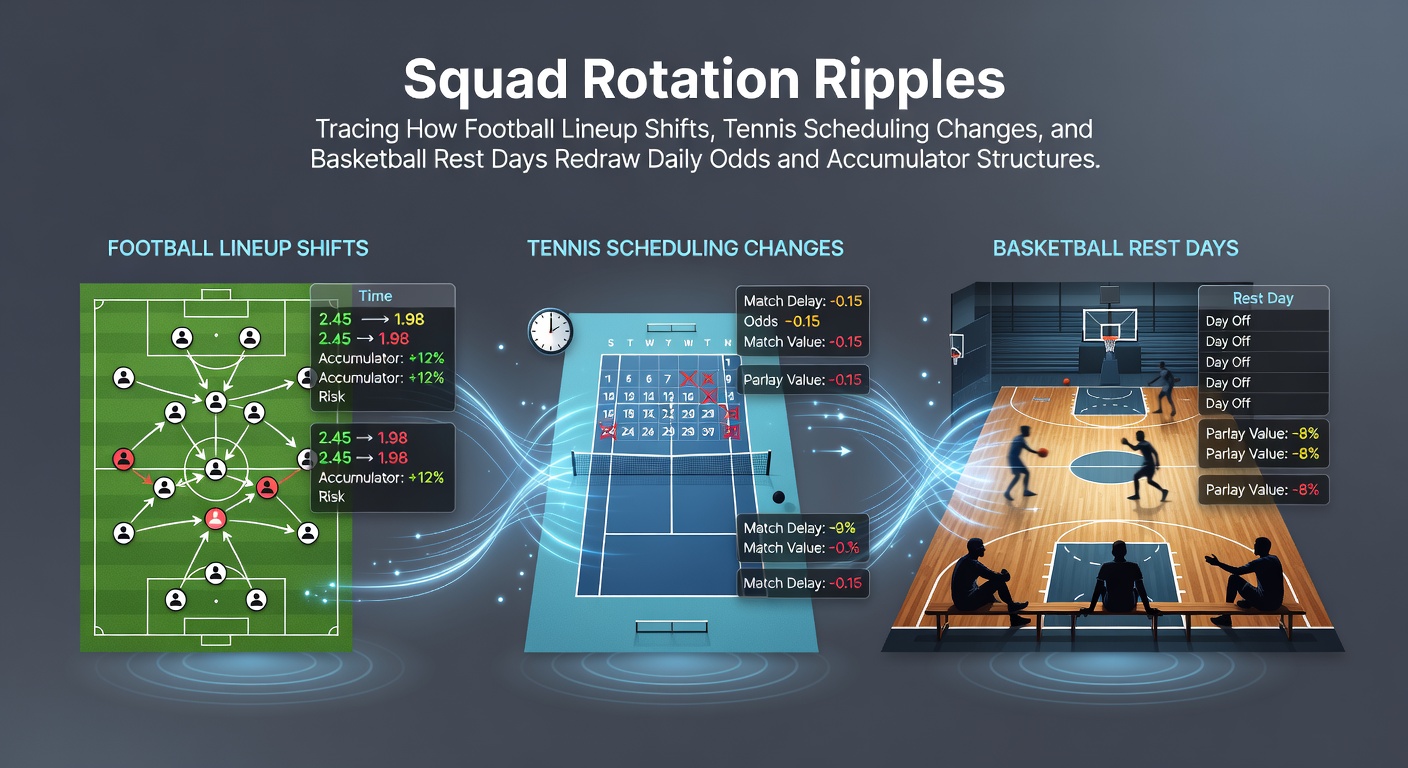
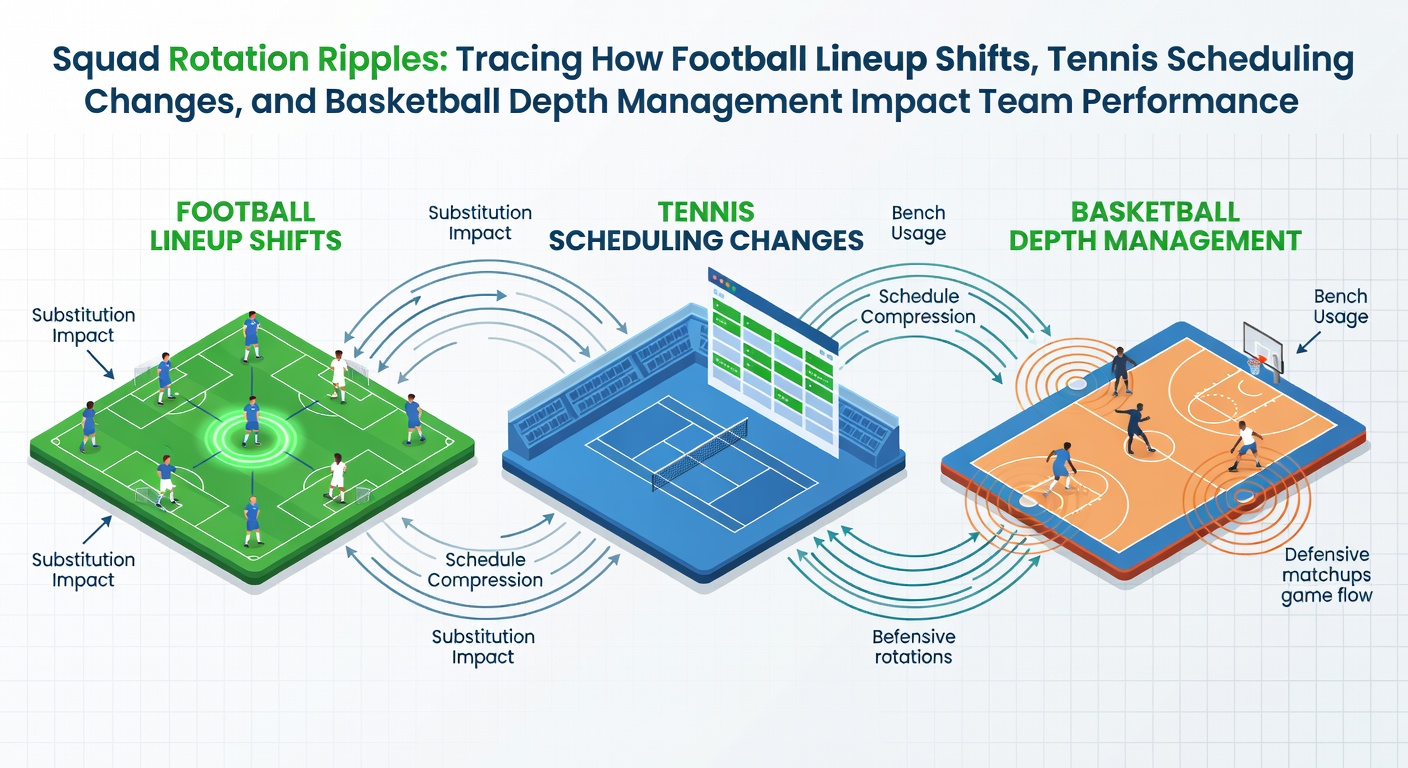
Football managers alter starting elevens on a weekly basis and these decisions trigger immediate recalculations across betting markets, because reduced familiarity among defenders often correlates with higher goal totals while rested attackers may deliver sharper finishing that lowers over-under thresholds. Tennis tournaments adjust match schedules when rain delays or player withdrawals occur and such shifts force oddsmakers to reassess fatigue levels for athletes who suddenly play back-to-back sets on consecutive days. Basketball franchises implement load-management plans that rest star players ahead of back-to-back fixtures and these absences compress point-spread margins while expanding totals as replacement lineups attempt higher-tempo styles. Observers note that each adjustment feeds directly into accumulator construction since a single leg modification can alter implied probabilities across an entire multi-bet ticket.
Football Rotation Patterns and Market Recalibration
Premier League clubs publish squad lists twenty-four hours before kickoff and analysts track historical data showing that teams resting three or more starters experience a measurable increase in shots conceded per game. This statistical pattern prompts bookmakers to adjust both handicap lines and goal totals within the first hour after lineups appear. When a side rotates its central midfield the passing accuracy typically drops and that decline raises the likelihood of turnovers which in turn inflates the price on corners and cards markets. Accumulator builders who include such fixtures must therefore monitor substitution trends from prior matches because those patterns often repeat when fixture congestion peaks during May 2026 European qualification windows. Research from European league databases indicates that sides with four or more changes in the previous seven days record a higher draw frequency and this trend allows sharp bettors to target double-chance selections rather than outright results when constructing weekend multiples.
Tennis Scheduling Adjustments and Odds Fluidity
Grand Slam organizers release daily order-of-play updates that frequently move matches forward or backward by several hours and these timetable revisions change player recovery intervals. A competitor scheduled for an evening session who instead plays in the afternoon faces shorter rest before the next round and oddsmakers respond by nudging the total games line upward while trimming the favorite's moneyline odds. Data compiled across ATP and WTA events reveals that players with less than twenty-four hours between matches win fewer deciding sets and this performance dip ripples into live betting during the second set when fatigue becomes visible. Those constructing accumulators that span multiple days therefore insert alternate set totals or tie-break props to hedge against schedule-induced volatility because the original pre-tournament lines lose predictive power once the actual order of play solidifies.
Basketball Rest Days and Spread Volatility
NBA teams publish injury reports that list players ruled out for rest and these announcements arrive between twelve and eighteen hours before tip-off prompting rapid line movement on both sides and totals. Teams missing their primary ball-handler record lower assist numbers yet attempt more three-pointers which expands the over-under margin by roughly four points according to season-long tracking. Because back-to-back sets occur frequently in the 2025-2026 schedule oddsmakers widen spreads when the rested squad faces a short-handed opponent and this widening creates opportunities for accumulator legs that combine first-quarter totals with full-game player props. League-wide figures show that rested players return to the lineup and post elevated usage rates in their first game back which shifts individual points and rebounds markets in ways that compound across multi-leg tickets.
Accumulator Structure Reconfiguration
Daily odds feeds incorporate rotation news and scheduling updates into automated pricing engines that recalculate parlay payouts within minutes. Bettors who lock selections before lineup confirmation often encounter reduced returns when a rested basketball star inflates a point-spread leg while a rotated football defense simultaneously boosts an over-goals selection. Industry reports from the European Gaming and Betting Association highlight that multi-bet hold percentages tighten when markets incorporate verified rest information yet widen again once early sharp money corrects mispriced legs. Consequently serious accumulator players now build conditional tickets that allow substitution of correlated props once official rosters and schedules become public and this flexibility preserves value across the three sports where rotation frequency remains highest.
Integrated Multi-Sport Effects in May 2026
During the overlapping May 2026 calendar that features Champions League semifinals, clay-court tennis majors, and NBA playoff elimination games the density of rotation decisions reaches seasonal peaks. Football managers rotate heavily after midweek fixtures while tennis players navigate best-of-five marathons that compress recovery windows and basketball coaches rest veterans ahead of decisive playoff series. Each sport's adjustments interact when bettors combine legs from all three because a single unexpected rest announcement in basketball can offset or amplify rotation-driven line movements in concurrent football fixtures. Statistical models maintained by academic researchers at sports analytics centers demonstrate that cross-sport accumulators exhibit greater variance when rest and rotation data arrive late yet also present higher edge potential for those who refresh lines continuously until kickoff or first serve.
Conclusion
Rotation decisions in football, timetable revisions in tennis, and rest protocols in basketball continuously reshape both standalone odds and the underlying mathematics of accumulator construction. As leagues publish verified information closer to event start times the window for incorporating those updates narrows and market participants who monitor official channels gain measurable advantages in pricing accuracy. The interplay between these variables remains a central factor in daily betting market formation across the three major sports.